
How the Body Regulates Weight Over Time
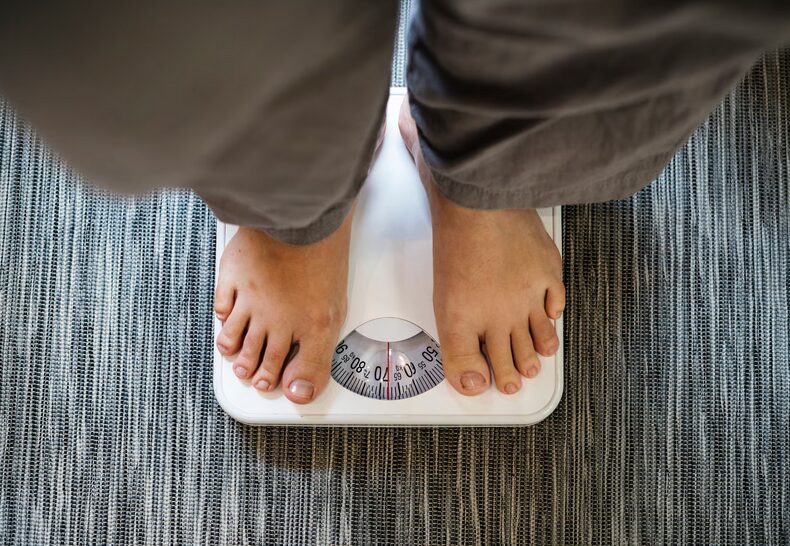
Body weight is not controlled solely by willpower; it results from a complex system that quietly operates in the background every day. Hormones, metabolism, appetite signals, and energy expenditure constantly interact to keep the body within a specific range over time. Factors such as lifestyle changes, sleep, stress, and nutrition can influence this balance, which is why weight loss and gain rarely happen in a straight line. Many people exploring long-term support options come across solutions like Burn Slim while trying to understand better how these internal processes function. Learning how the body regulates weight helps explain why sustainable results depend on consistency rather than quick fixes.
Hormones That Control Hunger and Fullness

Hormones play a central role in weight regulation. Leptin signals fullness and reflects stored body fat, while ghrelin increases hunger, especially when calorie intake drops. When weight decreases, leptin levels fall, and ghrelin rises, encouraging the body to eat more. This response is not a flaw; it is a survival mechanism. Other hormones, such as insulin and cortisol, also influence appetite and fat storage. Together, these signals guide eating behavior without conscious thought. When hormone balance is disrupted by stress, poor sleep, or extreme dieting, maintaining weight regulation becomes more difficult.
Metabolic Adaptation and Energy Use
The body adjusts the number of calories it burns based on long-term patterns. When calorie intake drops for an extended period, metabolism often slows to conserve energy. This is known as metabolic adaptation. Muscles may burn fewer calories at rest, and everyday movements become more efficient. While this protects against starvation, it can frustrate weight loss efforts. On the other hand, gradual increases in activity can raise baseline energy use over time. Metabolism is flexible, but it responds slowly. Sustainable habits work better than sharp changes because they align with how the body adapts.
Set Point Theory and Weight Stability

Many researchers believe the body has a preferred weight range, often called a set point. When weight moves outside this range, biological signals push it back. Weight gain may trigger reduced appetite and higher energy use, while weight loss triggers hunger and conservation. This helps explain why weight often returns after rapid loss. The set point is not fixed forever. Long-term changes in diet quality, activity, and sleep can gradually shift it. Stability comes from consistency, not extremes. The body responds best to steady signals that suggest a new normal rather than a temporary change.
Lifestyle Factors That Influence Regulation
Daily habits strongly influence how weight-regulation systems function. Sleep deprivation increases hunger hormones and reduces insulin sensitivity. Chronic stress elevates cortisol, which can promote fat storage. Diet composition also matters. Protein and fiber support fullness, while highly processed foods can override natural satiety cues. Physical activity improves hormone sensitivity and supports metabolic balance beyond calorie burning alone. These factors interact continuously, shaping how the body interprets energy availability. Small, repeatable habits often have more influence than short bursts of intense effort.
The body regulates weight through a coordinated system involving hormones, metabolism, and long-term pattern recognition. Hunger signals, energy use, and biological set points all work together to maintain balance. When habits change suddenly, the body resists. When changes are consistent, it adapts. Understanding this process helps explain plateaus and fluctuations that feel confusing or discouraging. Weight regulation is not a daily scoreboard but a long-term conversation between behavior and biology. Working with these systems rather than against them supports healthier outcomes and more sustainable progress over time.…

 Restrictive dieting often sets the stage for binge eating. When you limit your food choices too severely, it creates a sense of deprivation. This can lead to intense cravings that feel impossible to resist. As you deny yourself certain foods, thoughts about them can consume your mind. You might convince yourself that you’ll just have one bite, but before long, it’s all too easy to lose control. The cycle becomes vicious. The more you restrict, the more likely you are to overindulge later on.





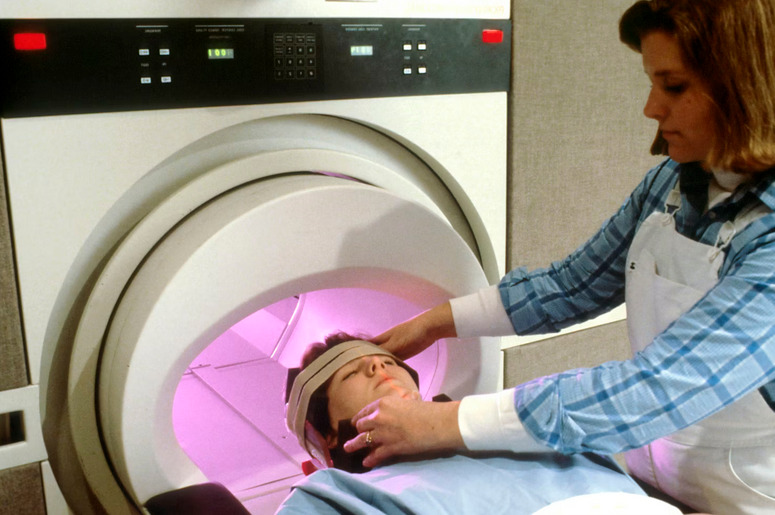




 When it comes to harnessing the strength-building benefits of steroids, optimizing your macronutrient intake is key. Protein is essential for optimized muscle repair and growth, so be sure to include high-quality sources like chicken, red meat, fish, and tofu in your diet. Carbohydrates, on the other hand, provide the energy much needed for intense workouts; opt for complex carbs that can range from sweet potatoes to whole grains. Don’t forget about fats – they play a crucial role in hormone production and overall health.
 Other than PRT, strategic periodization is also a key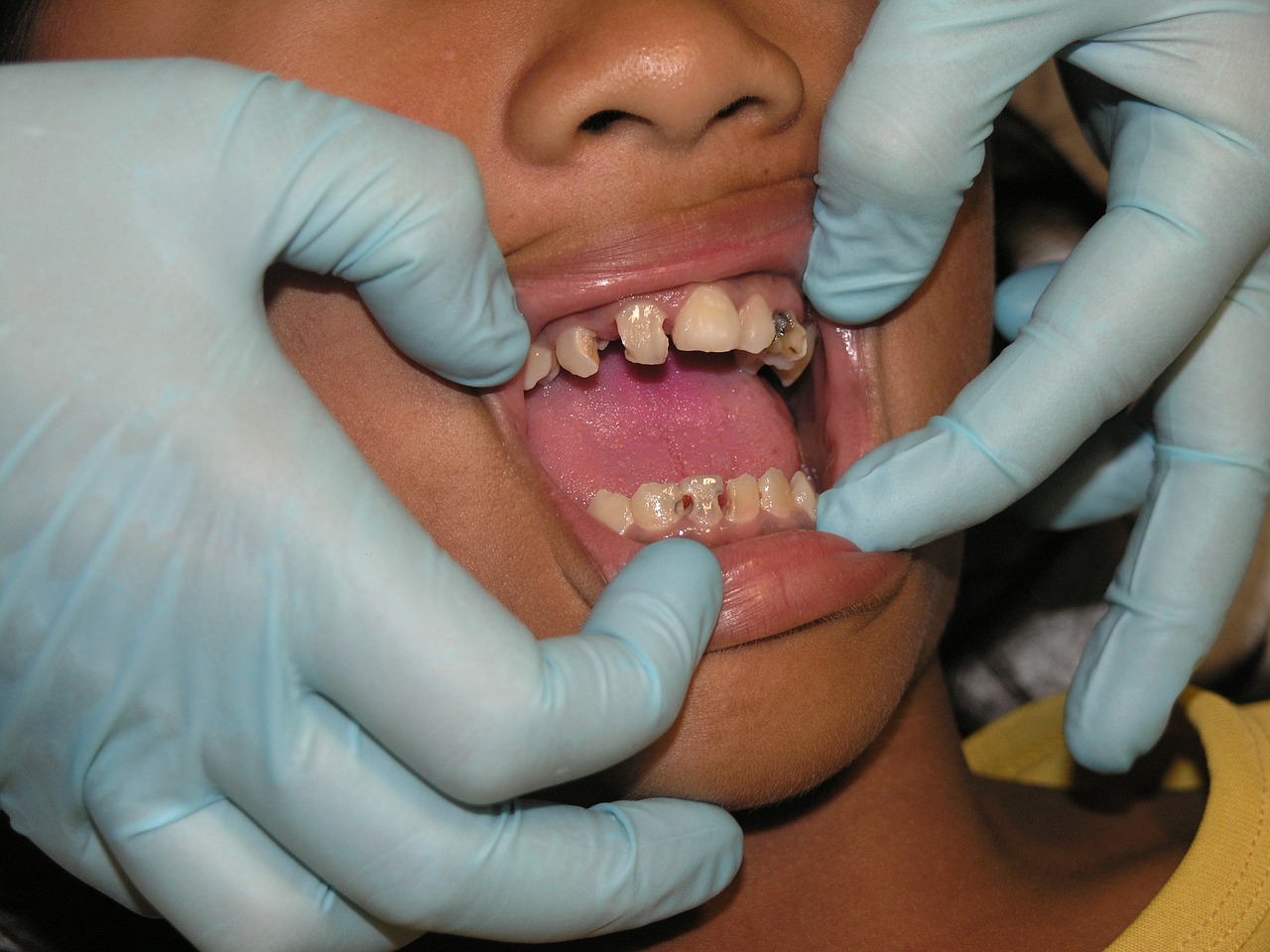
 We’ve all been there – that mid-afternoon slump hits, and you find yourself reaching for a sugary snack to satisfy your cravings. But did you know that this innocent indulgence could be causing serious damage to your dental health? Snacking on high-sugar treats throughout the day can create a perfect breeding ground for cavity-causing bacteria in your mouth. When we consume sugary snacks, the bacteria in our mouths feed on the sugars and trigger acid production as byproducts.
 Sipping on sugary and acidic beverages may seem harmless, but it can have a detrimental effect on your dental health. Whether it’s soda, sports drinks, or even fruit juices, these beverages are packed with sugar and acids that can erode and wreak havoc on your tooth enamel over time. As mentioned, the bacteria in your mouth feed on the sugars present in them and produce acid as a byproduct. This acid attacks your tooth enamel, leading to tooth decay and cavities.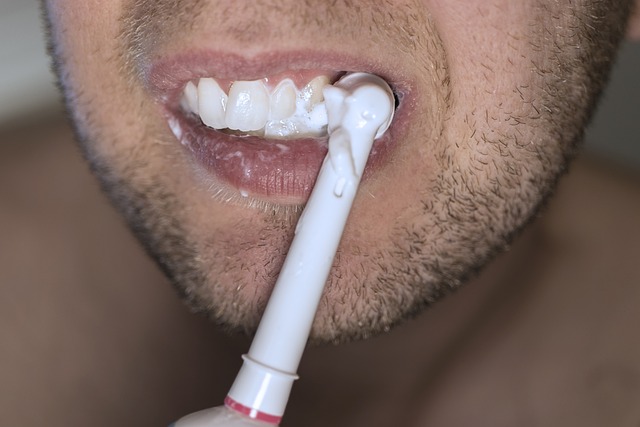

 Enhanced nutritional support for dieters is one of the key benefits of diet supplements when it comes to healthy weight management. These supplements are designed to provide essential vitamins, minerals, and other nutrients that your body needs to function optimally while on a calorie-restricted diet. Many dieters struggle to get all the nutrients they need from food alone, especially when they are limiting their calorie intake. Diet supplements can help fill these nutritional gaps, ensuring that your body has everything it needs to maintain healthy bodily functions.
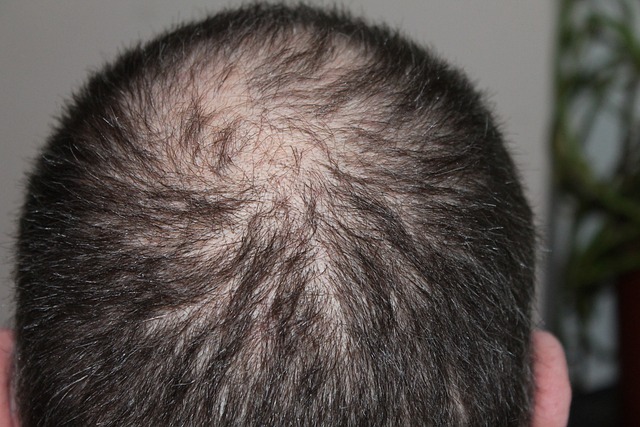
 If you are starting to experience hair loss, it’s essential to start taking preventative measures and medical treatments as soon as possible. The earlier hair loss is treated, the better your chance of keeping your existing hair healthy and preventing further thinning or balding. Talk to a dermatologist about potential hair loss treatments such as topical medications, low-level laser therapy, or oral pills.

 Humans are social creatures by nature. According to the Harvard Grant Study, good relationships are key to a happy and fulfilling life. In fact, participants in the study who had strong relationships with family, friends, and their community were more likely to be happier and healthier than those who didn’t. So, if you’re feeling stressed, take some time to reach out to your loved ones or meet up with friends. Talking to others can help reduce stress and improve your mood. You can also go watch concerts like the unholy alliance tour to unwind.
 There are many different relaxation techniques you can try to help reduce stress. Some popular techniques include deep breathing, progressive muscle relaxation, and mindfulness meditation. Find the technique that works best for you and practice it when you’re feeling stressed. Stress can take a toll on your physical and mental health. But there are things you can do to reduce stress and improve your well-being.…


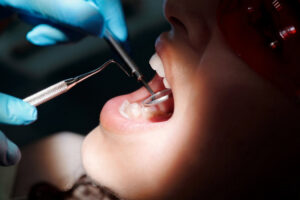 Chronic periodontitis is an inflammatory disease that damages the gums and bones supporting the teeth. It’s usually caused by a combination of genetic and environmental factors. The most common symptom is bleeding gums. Other symptoms may include red, swollen, or tender gums; gum recession; bad breath; and loose teeth. Chronic periodontitis can be treated, but it’s a progressive disease that usually worsens over time. Early diagnosis and treatment are important to prevent the disease from getting worse. If you have chronic periodontitis, your dentist or periodontist will clean your teeth and remove any infected tissue. They may also recommend medications or other treatments to control the infection and help your gums heal.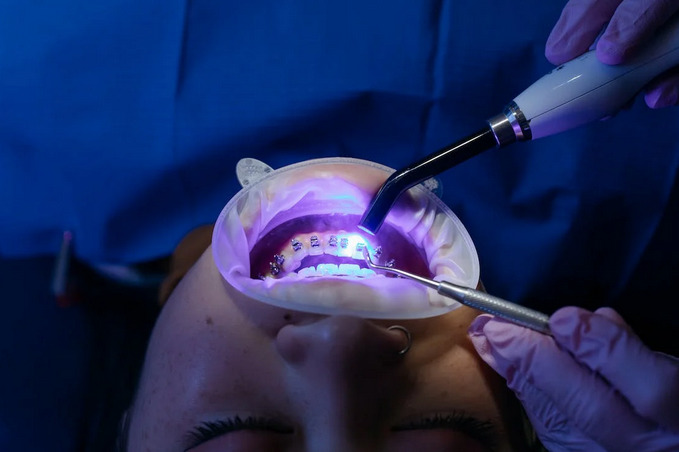



 The human body is an incredible machine that is designed to detox itself. We have organs like the liver and kidneys that work hard to remove toxins from our bodies. Additionally, we sweat and frequently urinate, which also helps to remove toxins. So, do we need to do a particular detox program? Probably not. Our bodies are perfectly capable of detoxing themselves.


 As you know, the reason for the keto diet is to reduce your carb intake. Most keto diet replacements available on the market contain fiber that can increase the overall amount of carbs. The good thing is that the body does not utilize carbohydrates from fiber as fuel. Rather, you should pay attention to the net carbohydrates the body uses. Thus, you should subtract fiber from your carbohydrate amounts.
 Helps in Hydration
 Vitamins A and C in watermelon are good for the hair and skin. Collagen is made from Vitamin C. The protein ensures your skin is soft and supple and the hair is strong. Vitamin A helps in repairing skin cells.

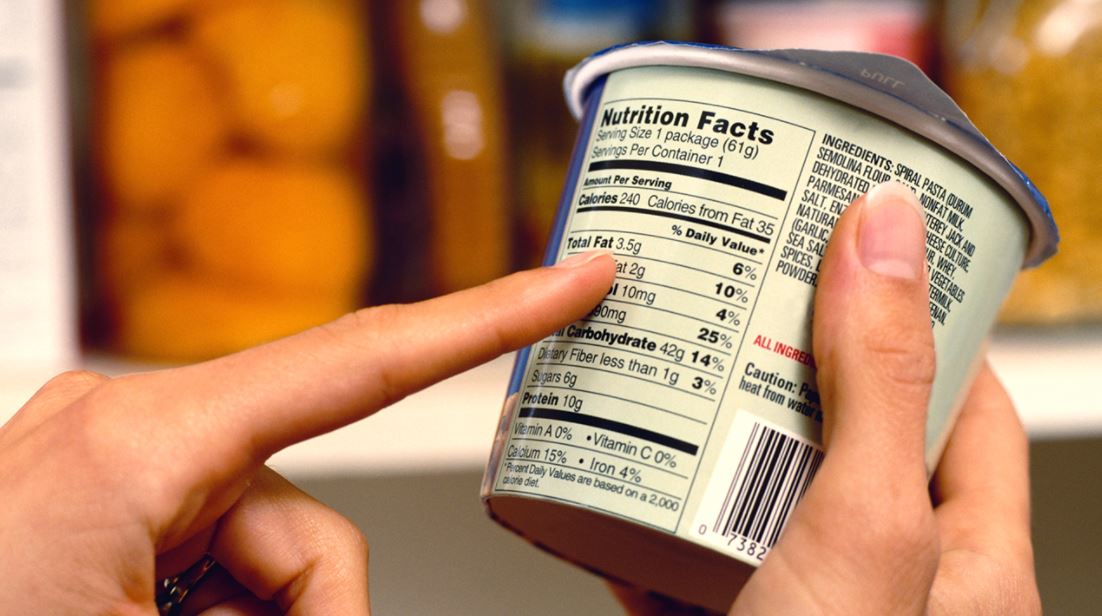
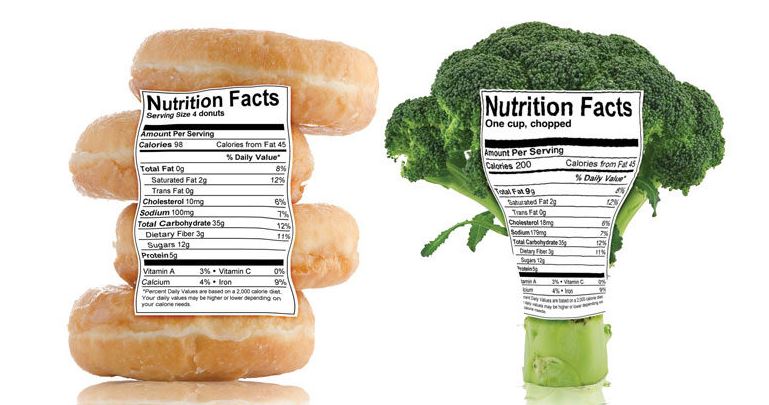 According to Healthoverdosed, Swai fish lacks the necessary nutritional value, and it is not raised or fed correctly. Most of them are raised in fish farms polluted with chemicals and antibiotics, so it is best to avoid them. This is one thing that can guide you when coming up with a proper meal plan. Do your research to understand the nutritional value of various products you wish to purchase.
 Fat Content
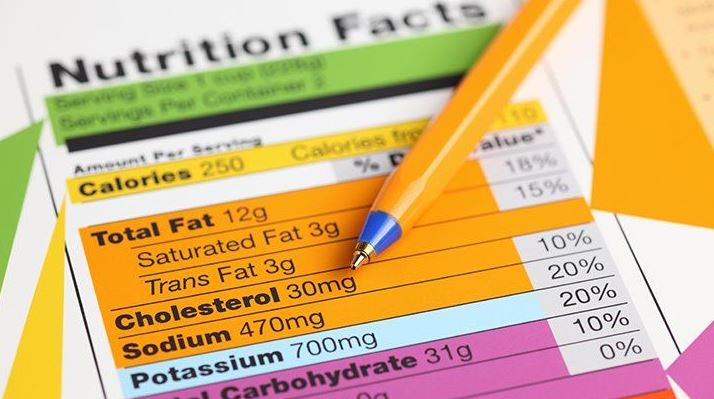 Sugars




 Watch Your Diet
 Dress Code to Relieve Symptoms

 Women are a higher risk of getting UTI than men. The concept is very simple to understand. The women anatomy makes it easier for women to get UTI at a higher rate than men. For women, the urethra is located closer to the anus.



 Playground




 Drink Lots of Water
