
Top Four Knee Injuries Athletes Often Have
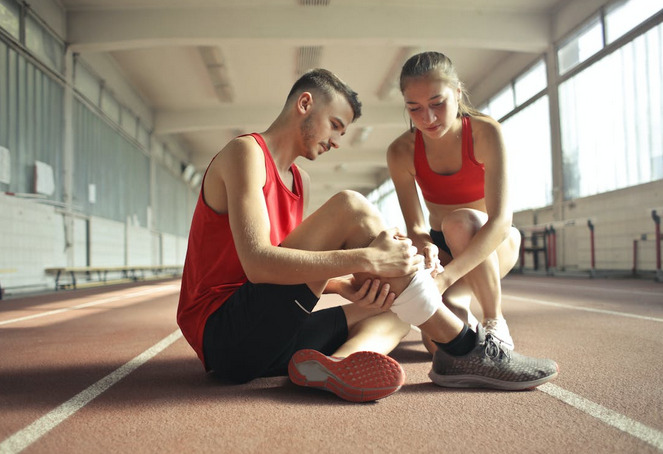
As an athlete, your knees are put through their paces in every workout and game. Unfortunately, with the constant stress, strain, and pressure placed on them, knee injuries can happen all too easily. From fractures to dislocations to bursitis and tendonitis, there’s a wide variety of knee injuries that athletes often face and usually need knee replacement surgery.
In this blog post, we’ll explore the top four most common knee injuries among athletes – hoping that you understand what to be more aware of, then take the correct prevention measures.
Patellar Fracture From Falling and Improper Landing
First off, let’s take a look at patellar fractures. This condition often occurs when an athlete falls awkwardly or lands improperly after a jump. This injury is common in basketball, volleyball, and gymnastics, basically all sports that involve frequent jumps.
When the patella or kneecap breaks due to impact or stress, it can be incredibly painful and debilitating for athletes. Symptoms may include swelling around the knee joint, difficulty walking or standing up straight, and pain when bending or straightening your leg.
If you suspect you’ve suffered a patellar fracture from falling or improper landing during a game or workout session, seek medical attention promptly. Treatment may involve immobilizing the affected leg with a cast or brace while it heals naturally over time.
Knee Dislocation From Playing Soccer and Cycling
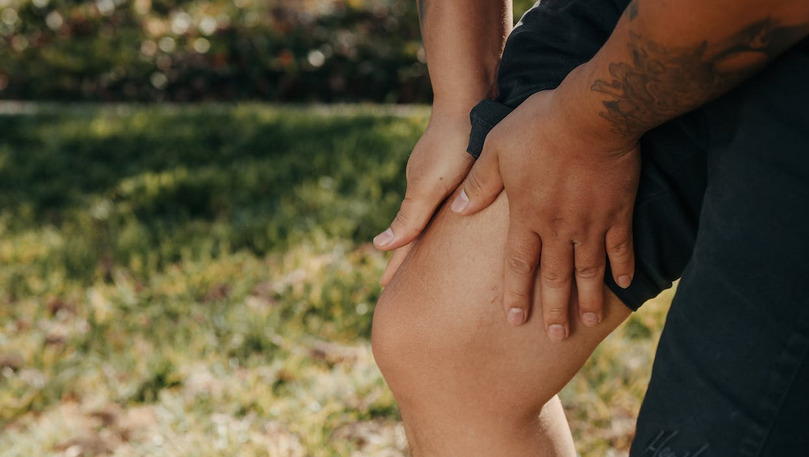
Another knee injury all athletes need to watch out for is knee dislocation. It occurs when the bones in the knee are forced out of their usual positions, resulting in severe pain and discomfort. Soccer players and cyclists are particularly prone to this injury due to the sudden twists, turns, and impacts that come with playing these sports.
When a soccer player plants his foot on the ground suddenly or changes direction rapidly, it puts significant stress on the knee joint. If this movement causes an abnormal twist of the leg or hyperextension of the joint beyond its standard range of motion, it can result in a dislocated kneecap. It also happens to some cyclists. Proper protective gear such as knee pads is a must-have to prevent it from happening in the first place.
Knee Bursitis From Excessive Running
Knee bursitis is a common injury among runners. It occurs when the small, fluid-filled sacs around the knee joint have inflammation as a result of repetitive stress and overuse. These sacs are called bursae, and they act as cushions between bones and soft tissues.
Excessive running can cause irritation to these bursae, which results in pain, swelling, stiffness, and difficulty moving the affected leg. The condition is often found in runners who run too much or too quickly without proper rest or recovery periods.
Wearing appropriate footwear with good shock absorption qualities can reduce the impact on your knees during runs. Applying ice packs after each run for 10-15 minutes can also help alleviate inflammation around the knee area.
Patellar Tendonitis From Jumping and Landing Heavily
It’s no secret that many athletes from different sports perform excessive jumping and landing heavily. Though it’s required for their own professional career, it can lead to patellar tendonitis – a condition when the patellar tendon is having inflammation and irritation. This tendon is the connection of the kneecap and the shinbone,
Also known as a jumper’s knee, this condition can be resulted from repetitive stress placed on the patellar tendon from activities such as basketball, volleyball, or high-jumping events in athletics. Overuse of the leg muscles can also contribute to its development.
Proper rest and treatment are essential for recovery from Patellar Tendonitis. Treatment options include physical therapy exercises to strengthen surrounding muscles, ice packs to alleviate inflammation, and pain medications if necessary.
Knee injuries are common among athletes and can be caused by various factors. So taking preventive measures such as warming up before exercise and using proper techniques when playing sports are mandatory to avoid these injuries. If you do experience a knee injury, seek medical attention immediately to prevent further damage.

